


gasless mig
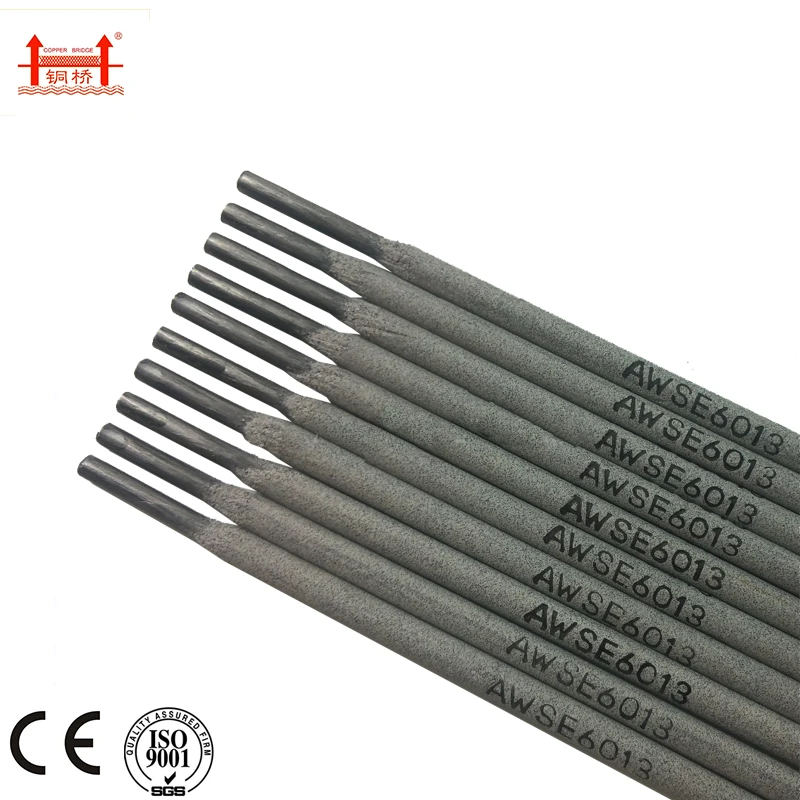
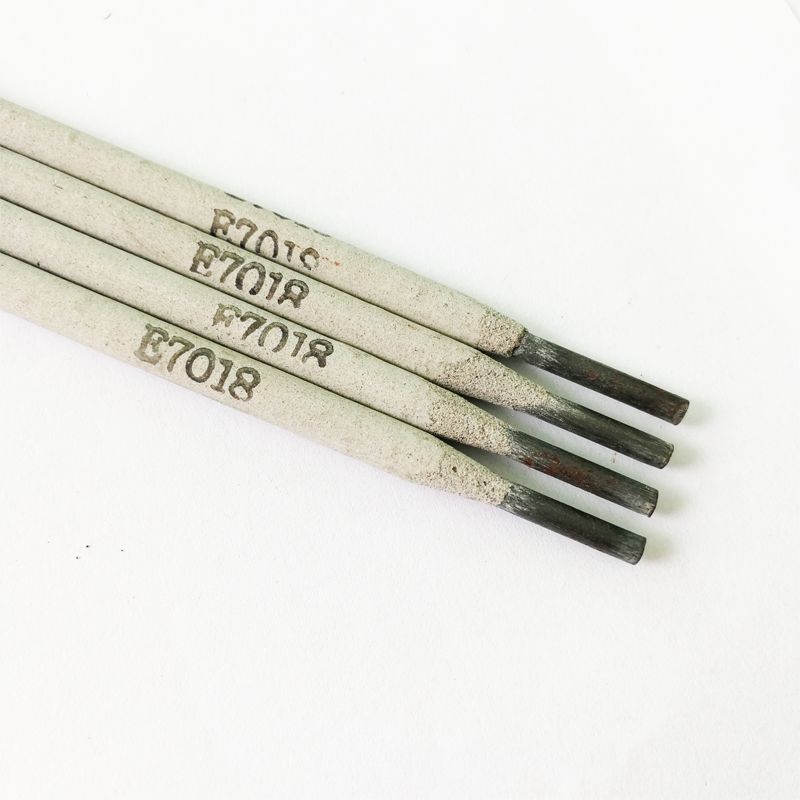
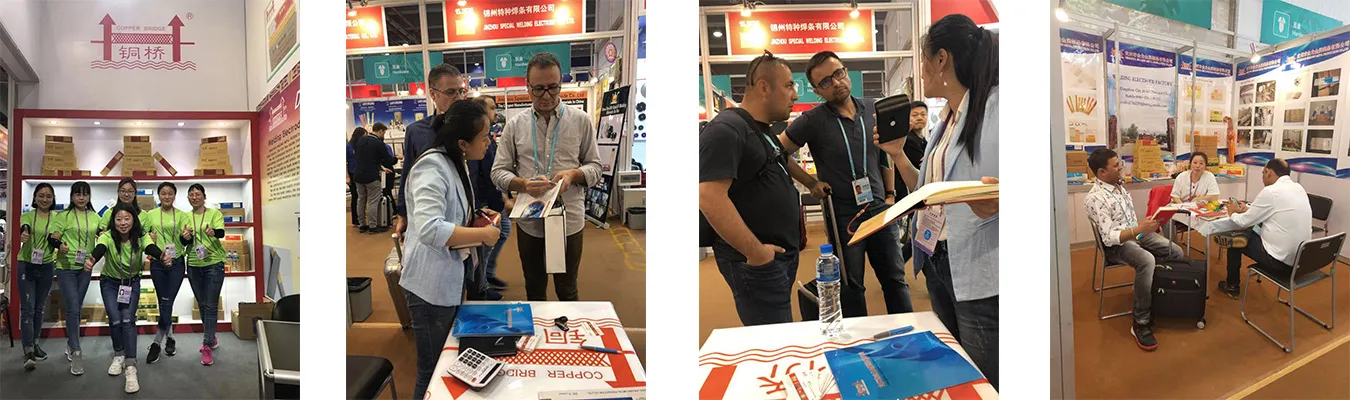
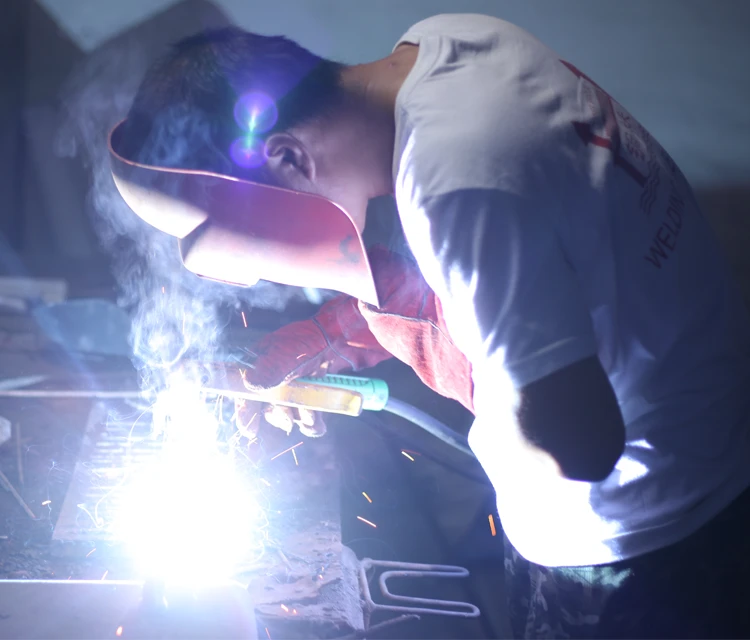
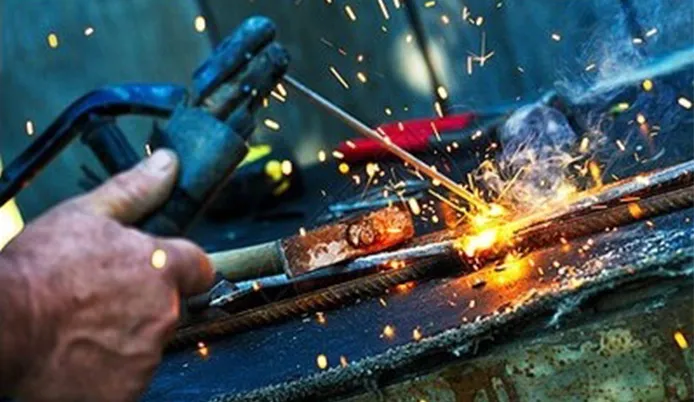
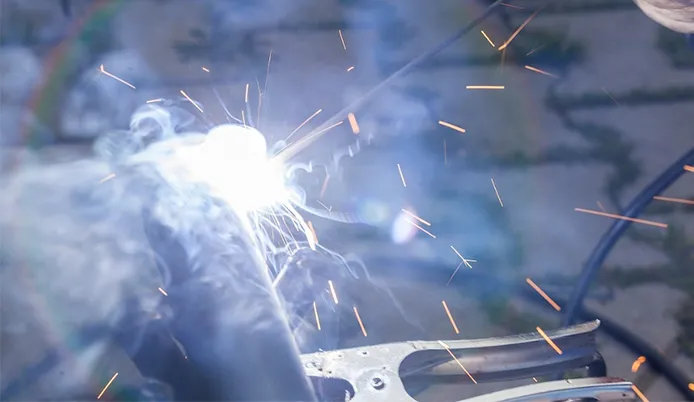
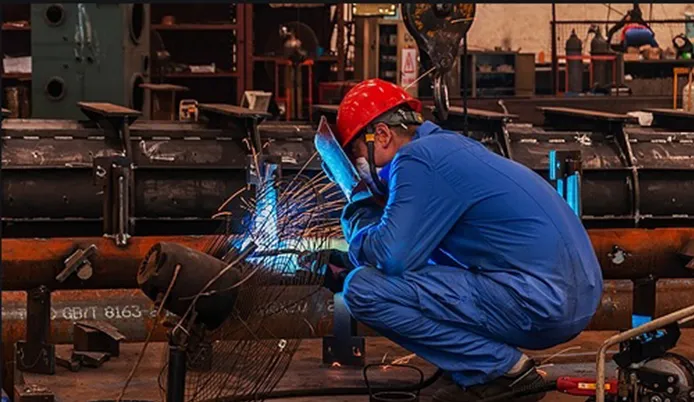
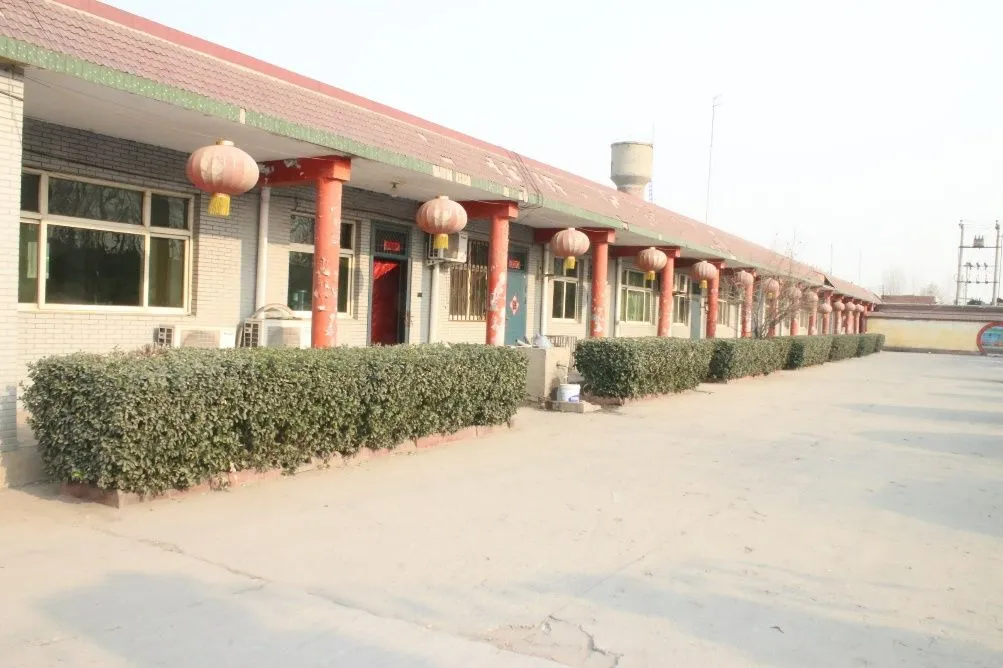
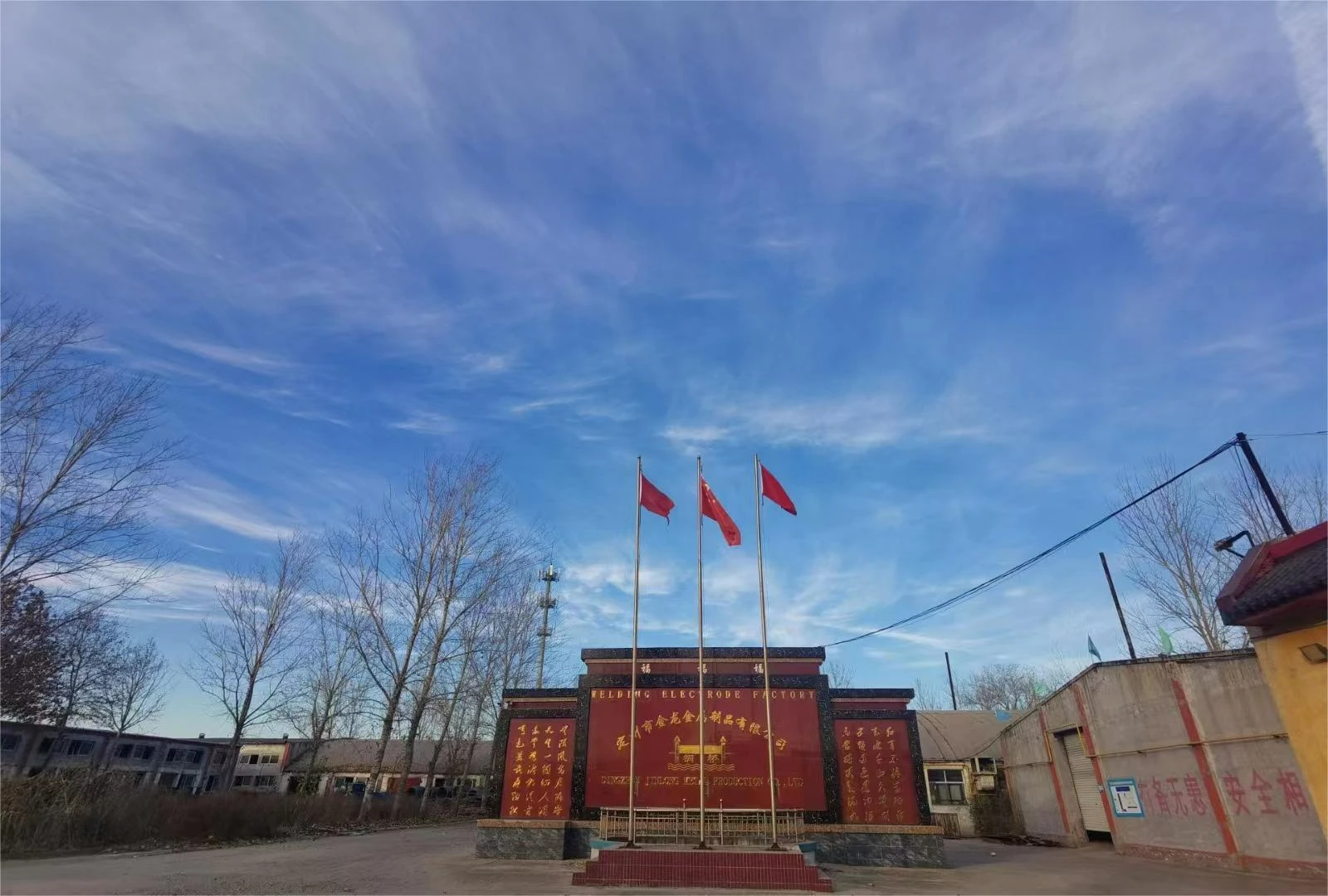
Field Notes on a Quiet Workhorse: Welding Rod 3 32 (7018) I spent a day in Dingzhou, Hebei—Liusu Industrial Area to be precise—watching Copper Bridge’s 7018s come off the line. It’s the sort of operation that looks simple from the outside, but actually, the devil is in the coating. And, to be honest, in the bake. The J508 (J506Fe) iron-powder, low-hydrogen potassium type is classic: easy ignition, smooth arc, and yes, you must bake at 350°C for about an hour before welding. Many customers say that small ritual makes or breaks the bead quality. What it is and why it matters In the 3/32 in (≈2.4 mm) size, the Copper Bridge Brand Welding Rod 7018 is built for structural joints, pressure parts, ship sections—anywhere toughness and low hydrogen matter. It runs AC or DC+, produces dense slag, and lays a bead that, in my experience, cleans up fast. The consumable is designed for typical AWS E7018 performance with solid toughness at subzero temps (real-world use may vary). Key specifications Parameter Spec (≈) Classification AWS A5.1 E7018; ISO 2560-A E 42 3 B 32 H5 Diameter 3/32 in (2.4 mm) Current/Polarity AC or DC+ Tensile strength ≥ 70 ksi (≈ 490 MPa) Impact toughness 27–47 J @ -20°C (typical) Diffusible hydrogen ≤ 5–8 ml/100 g (post-bake) Bake requirement 350°C × 1 h before use Process flow (short version): selected wire rod → flux batching (iron powder, ferromanganese, ferrosilicon, potassium compounds) → extrusion → drying/baking → batch testing (tensile, bend, X-ray macro, hydrogen) → packaging (often vacuum or moisture-barrier) → shipment. Service life? Stored sealed and dry, around 12 months; once opened, I’d keep exposure under 4 hours before re-bake, just to be safe. Where people actually use it Construction beams and columns, shipbuilding seams, boiler shells, offshore brackets, heavy equipment repair. I’ve seen crews favor the Welding Rod 3 32 size for root and small fillets on 6–12 mm plate, then upsize for fill. Preheat depends on base metal (per WPS and code), but many shops run 100–150°C on thicker carbon steel to keep hydrogen at bay. Vendor snapshot: how Copper Bridge stacks up Vendor Coating Hydrogen (≈) Bake need Price range Certs Copper Bridge 7018 3/32 Iron powder, low hydrogen 5–8 ml/100 g 350°C × 1 h FOB US $0.5–9,999/piece (MOQ 100) AWS A5.1, ISO 2560-A Lincoln 7018 MR 3/32 Low hydrogen ≤ 4–6 ml/100 g Reduced re-bake (MR) Mid–high AWS/ASME listings ESAB OK 48.00 3/32 Low hydrogen ≤ 5 ml/100 g As required Mid–high AWS/ISO approvals Notes: Values are indicative; check current datasheets and WPS requirements. Testing, standards, and data Typical batch results I saw: tensile 500–540 MPa, yield 420–460 MPa, elongation 22–28%, bend test 180° no crack, radiography-level fusion, hydrogen after bake ≈ 4–6 ml/100 g. Standards referenced on-site included AWS A5.1, ASME Section IX for procedure qualification, and ISO 2560-A. The rods carry factory QA and can be supplied with EN 10204 3.1 certificates on request—nice touch for audits. Customization and logistics Labeling, carton design, moisture-barrier packaging, and length tolerance can be customized. Origin: Dingzhou City, Hebei, China. Supply ability: ≈10,000 pieces/month. Minimum order: 100 pieces. For the Welding Rod 3 32 specifically, many buyers also request smaller pack sizes for field work to limit exposure time. Real-world snapshots Bridge retrofit, Southeast Asia: crews ran Welding Rod 3 32 for root passes on 10 mm gussets, DC+, 95–115 A. After proper bake, ultrasonic indications dropped noticeably compared with a rushed, unbaked trial—no surprise, but still satisfying. Boiler patch repair, Middle East: AC power, 3/32 in 7018, 2-pass fillet; post-weld dye penetrant was clean. The lead welder told me, “arc starts are predictable; slag peels if you don’t fight it.” I guess that sums up why 7018s keep winning bids. Market trend, briefly There’s strong demand tied to infrastructure and ship repair, plus a quiet push toward moisture-resistant packaging and traceable QA data. Interestingly, smaller pack formats for 3/32 in sticks are trending—helps prevent moisture pickup on long shifts. Citations AWS A5.1/A5.1M: Specification for Carbon Steel Electrodes for Shielded Metal Arc Welding. https://pubs.aws.org ISO 2560-A: Welding consumables — Covered electrodes for manual metal arc welding. https://www.iso.org ASME Section IX: Welding, Brazing, and Fusing Qualifications. https://www.asme.org IIW Recommendations for Hydrogen Controlled Welding. https://www.iiwelding.org

WHAT CUSTOMERS SAY
The welding rods and wires from this company are of excellent quality and reliable performance. Their products provide consistent results, meeting our production needs perfectly. Customer service is professional and responsive, always addressing inquiries promptly. Deliveries are timely, ensuring our operations run smoothly without delays.
——Helen

EXCLUSIVE CUSTOMIZED SERVICE

Feel free to reach out anytime.

Please tell us more about what you need.

We’ll finalize the date shortly.

We’ll make sure to note down your request.

Contact us online anytime.

Ensuring consistent production quality.

Get in touch with us online.

Caring every step.

 English